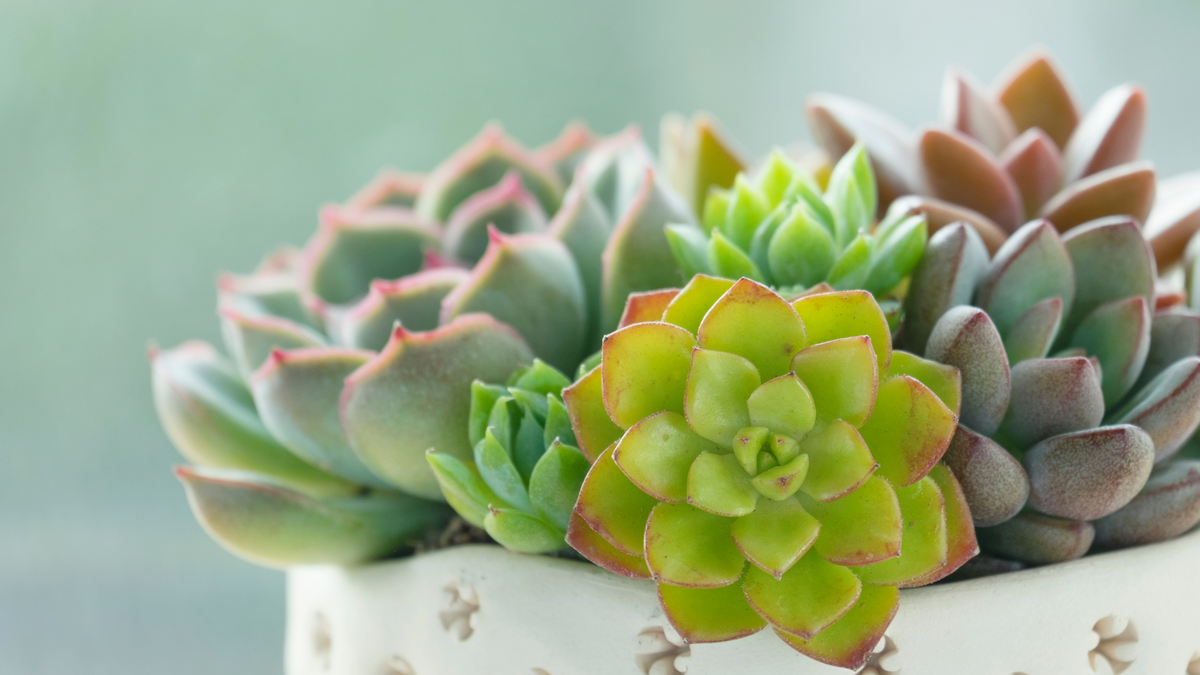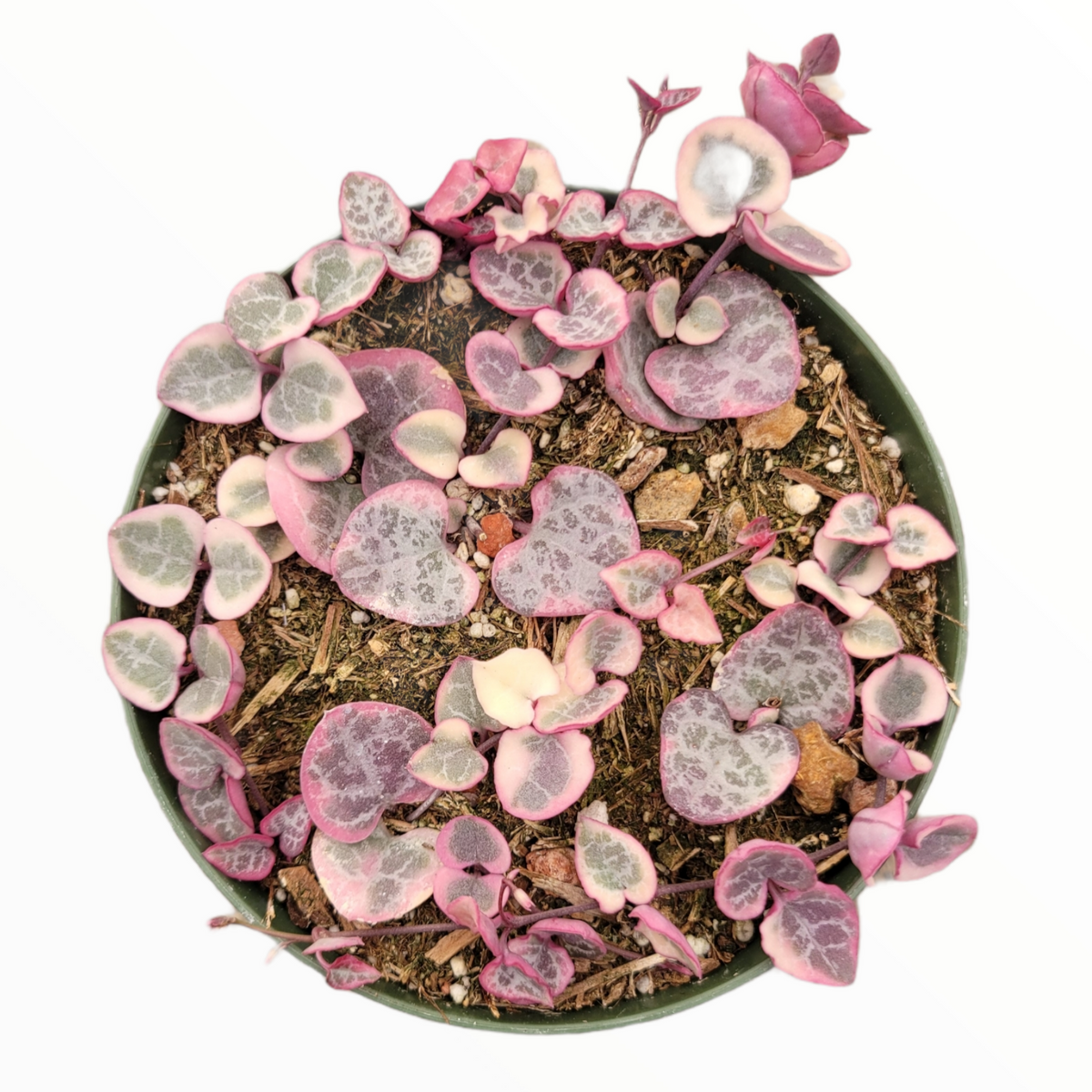
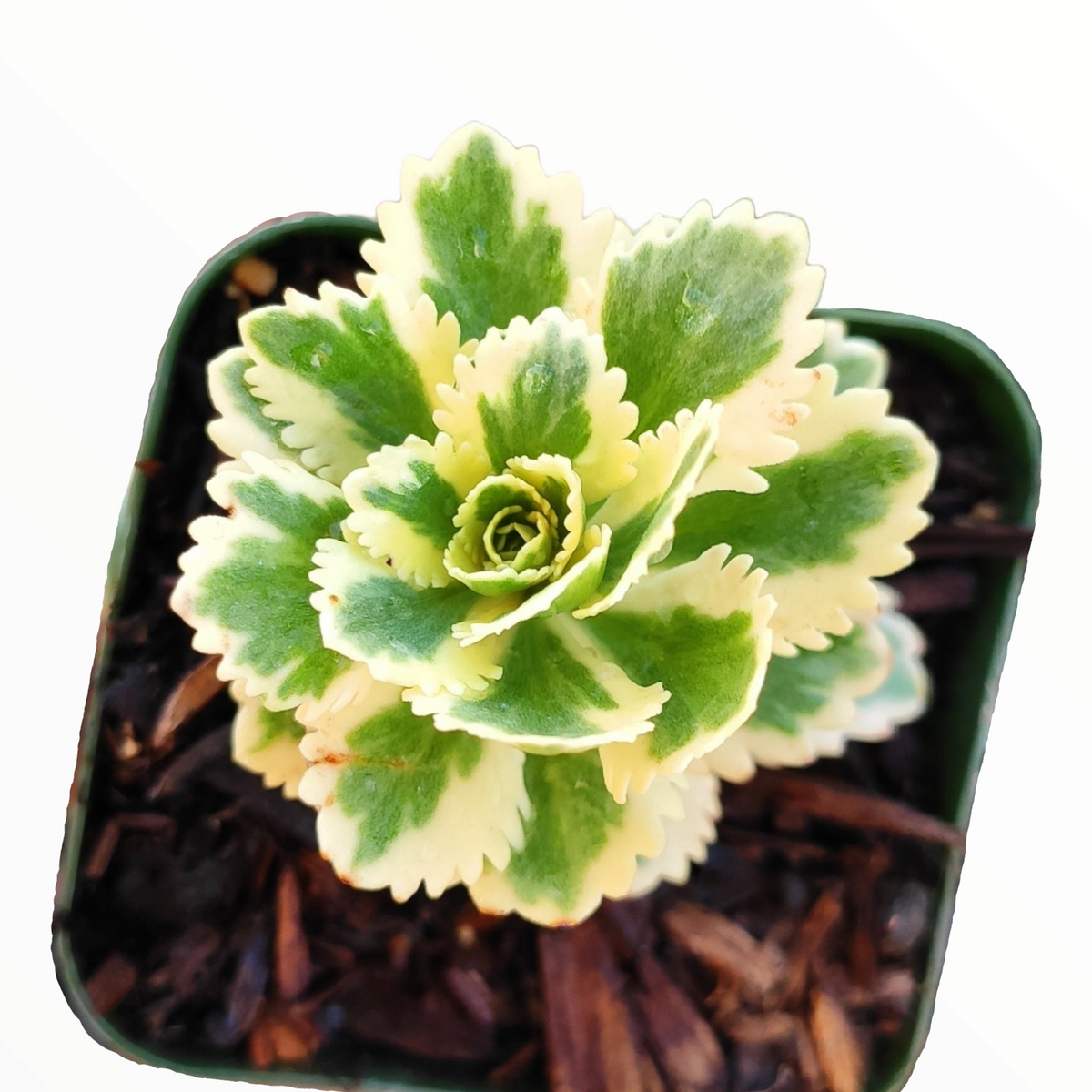
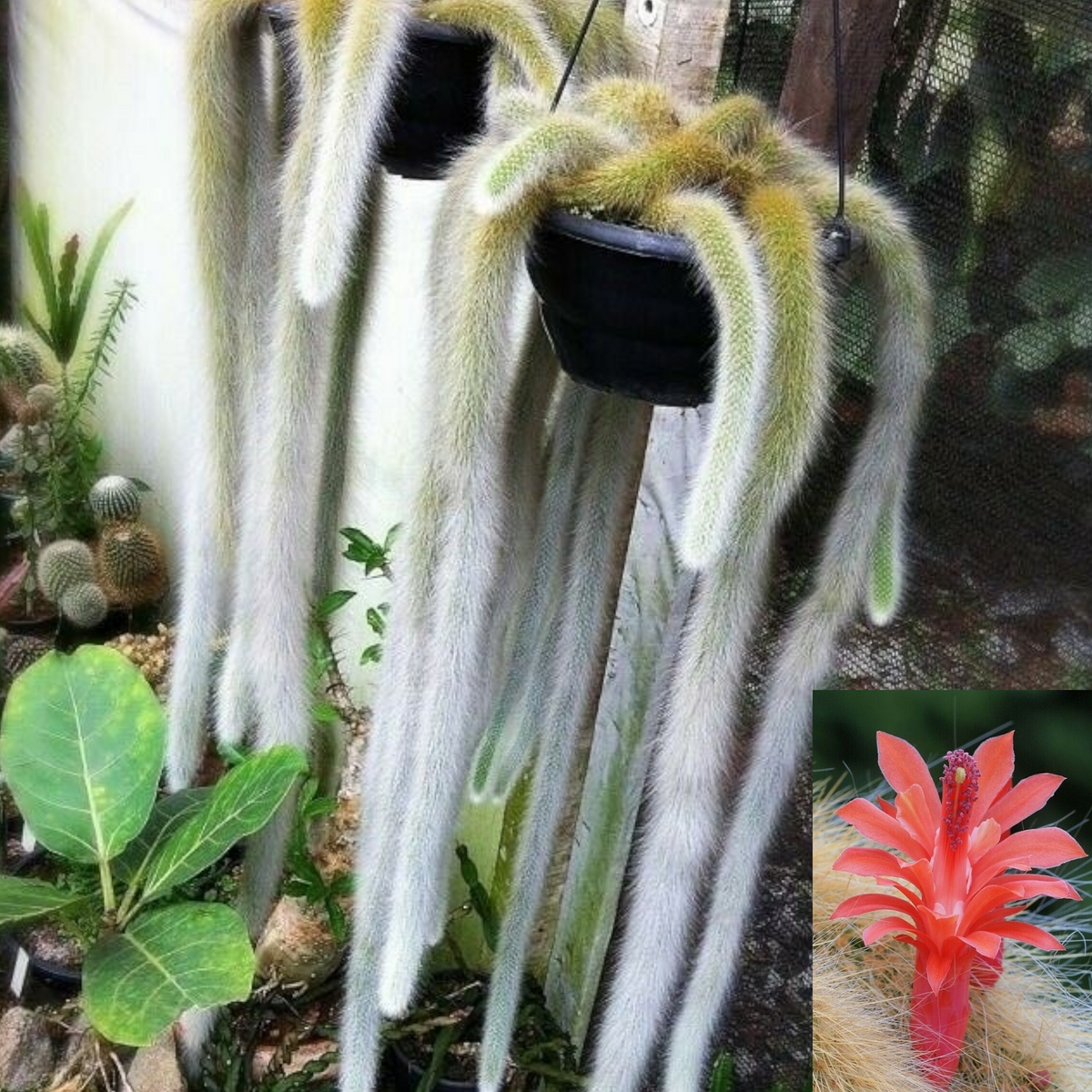

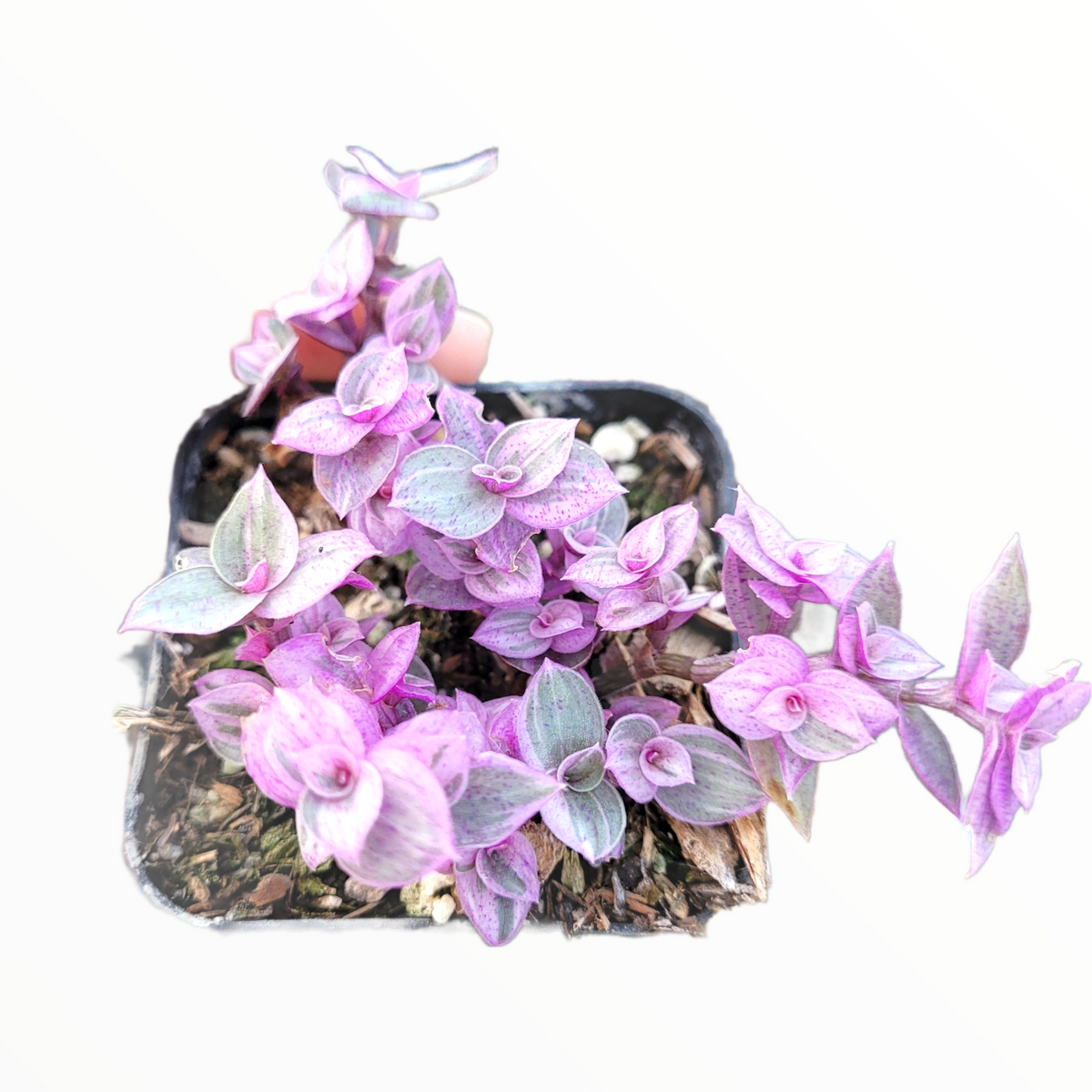


Succulents offer many shapes, sizes and colors. Start by matching a plant to the light and temperatures you can provide, whether you grow it indoors or outdoors.

What are succulents?
There are many species, and they vary in how they look from their shapes to sizes to colors. They do have thick leaves or stems where water can be stored. They are resistant to droughts. Succulents also require little care.
Where should you grow succulents?
Some succulents suit sunny indoor spaces; others grow outdoors where local temperatures and rainfall suit them. They cannot survive in every location.

Which succulents should you choose?
Choose by the requirements of the particular species. Some Sempervivum and Sedum tolerate outdoor cold; many tender succulents need frost protection. Indoor plants still need suitable light.
What pot should you use?
It's important to choose pots with a drainage hole. This is because if the plants sit in soil that's wet for a long time, root rot would likely occur. With a drainage hole, they will dry out much faster.

What soil should you use?
You should use soil that's well-draining. A good option would be either a cactus or succulent potting mix. You can also make it yourself using potting soil, coarse sand, and gravel that's crushed and mixing them together.
How should you water succulents?
They should be watered when the soil is dry to the touch. The best method to water succulents is to completely soak the soil and allow it to dry out completely before watering again.
Watering needs vary with species, potting mix, light and temperature. Not all succulents grow or rest in the same season.
Check the growing medium before watering. Avoid using a weekly schedule as the default; let the mix dry to the level appropriate for your plant and empty standing water from the saucer.

What are the light requirements for succulents?
Light needs depend on the species. Many succulents need a bright position; rainforest cacti such as Schlumbergera prefer more protection from direct sun.
Introduce brighter conditions gradually. Protect plants from sunburn and follow the requirements of the individual species rather than a universal temperature cutoff.